
Skincare Routine: A Simple Step-by-Step Guide for Healthy, Glowing Skin
: By Yellow Hue
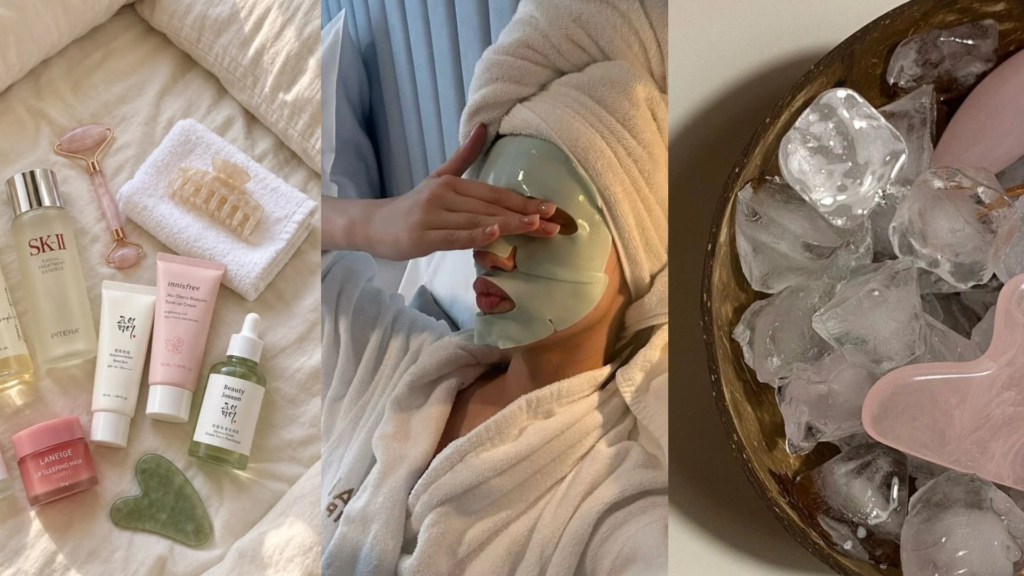
If your bathroom shelf is full of products but your skin still looks dull, breakout-prone, or just “off”, the problem is usually not the products. It’s the lack of a simple, consistent skincare routine. You don’t need ten steps or a huge budget. You need the right steps, in the right order, done regularly.
This guide breaks down exactly how to build a skincare routine that works, from the basic steps to the morning and night versions, plus tweaks for oily, dry, combination, and sensitive skin.
What Is a Skincare Routine?
A skincare routine is a set of products you use in a fixed order, every morning and night, to clean, treat, hydrate, and protect your skin. A basic skincare routine has four steps: cleanser, serum (optional but helpful), moisturizer, and sunscreen in the morning. At night, you skip sunscreen and cleanse more thoroughly.
Think of it as daily maintenance for your skin, the same way brushing your teeth is for your mouth. Small, steady habits beat occasional “miracle” products every time.
Why Does a Skincare Routine Matter?
A good skincare routine matters because it keeps your skin barrier healthy, controls oil and dryness, protects against sun damage, and helps products work better. Skin is constantly exposed to pollution, UV rays, sweat, and dirt. Without a routine, that buildup can lead to clogged pores, uneven tone, and early signs of aging.
A routine also takes the guesswork out of skincare. When you use the same few products consistently, it’s much easier to see what works and what doesn’t.
What Are the Basic Skincare Routine Steps?

The basic skincare routine steps, in order, are: cleanse, treat (serum), moisturize, and protect (sunscreen). Toner is optional. Morning focuses on protection, and night focuses on repair.
Here’s what each step does and why it’s there.
Step 1: Cleanser
A cleanser removes dirt, oil, sweat, and leftover products without stripping your skin. This is the foundation of every skincare routine. Pick a gentle, pH-balanced face wash. If your skin feels tight or squeaky after washing, the cleanser is too harsh.
Step 2: Toner (Optional)
A toner helps balance your skin after cleansing and can add a layer of hydration. You can skip it if your skin is happy without it. If you use one, go for alcohol-free formulas with ingredients like glycerin or hyaluronic acid.
Step 3: Serum
A serum is a lightweight, concentrated product that targets a specific concern like dark spots, dullness, acne, or fine lines. Common choices include vitamin C for brightening, niacinamide for oil control and uneven tone, and hyaluronic acid for hydration. Start with one serum, not three.
Step 4: Moisturizer
A moisturizer locks in hydration and supports your skin barrier. Yes, even oily skin needs it. Choose a gel or lightweight lotion if your skin is oily, and a richer cream if it’s dry.
Step 5: Sunscreen
Sunscreen is the most important step in any morning skincare routine. It protects against UV damage, which is the biggest cause of premature aging and dark spots. Use a broad-spectrum sunscreen with SPF 30 or higher, every day, even when it’s cloudy or you’re indoors near windows.
Morning Skincare Routine
A simple morning skincare routine is: gentle cleanse (or just water if your skin is dry), vitamin C or niacinamide serum, moisturizer, and sunscreen. The goal in the morning is to hydrate and protect your skin for the day ahead.
- Cleanse with a gentle face wash
- Apply a antioxidant serum such as vitamin C
- Moisturize
- Finish with sunscreen, and reapply every two to three hours if you’re outdoors
This takes about three to five minutes once it becomes a habit.
Night Skincare Routine
A good night skincare routine is: remove makeup and sunscreen, cleanse, apply a treatment serum, and finish with a moisturizer. Night is when your skin repairs itself, so this is the time for actives like retinol, exfoliating acids, or targeted acne treatments.
- Remove makeup and sunscreen with a cleansing balm or micellar water
- Cleanse again with your regular face wash (double cleansing)
- Apply a treatment such as retinol, salicylic acid, or azelaic acid
- Seal everything in with a moisturizer
If you wear sunscreen or makeup daily, double cleansing is worth it. Leftover product on your skin is a common reason for clogged pores.
Skincare Routine for Your Skin Type

The best skincare routine depends on your skin type. The steps stay the same, but the textures and ingredients change.
Skincare Routine for Oily Skin
Oily skin does best with a gel cleanser, a niacinamide or salicylic acid serum, an oil-free gel moisturizer, and a matte or gel sunscreen. Avoid skipping moisturizer, because dehydrated skin can actually produce more oil.
Skincare Routine for Dry Skin
Dry skin needs a creamy, non-foaming cleanser, a hyaluronic acid serum, a rich moisturizer with ceramides, and a hydrating sunscreen. Keep exfoliation gentle and limited.
Skincare Routine for Combination Skin
Combination skin means an oily T-zone with normal or dry cheeks. Use a balanced gel or lotion cleanser, a lightweight serum, and a gel-cream moisturizer. You can also use different products on different areas, like a lighter moisturizer on the T-zone.
Skincare Routine for Sensitive Skin
Sensitive skin needs a short, fragrance-free routine: a mild cleanser, a soothing moisturizer with ceramides or panthenol, and a mineral sunscreen. Introduce new products one at a time and patch test first.
What Is the Correct Skincare Routine Order?
The correct skincare routine order is thinnest to thickest: cleanser, toner, serum, moisturizer, then sunscreen in the morning. Water-based products go first so they can absorb, and heavier creams and oils go last to seal everything in.
A simple way to remember it: cleanse, treat, moisturize, protect.
How Often Should You Use Active Ingredients?
Start actives like retinol, AHAs, and BHAs two to three times a week and increase slowly as your skin adjusts. Using too much too soon is one of the fastest ways to damage your skin barrier, causing redness, peeling, and stinging.
Some combinations are better kept apart, such as retinol with strong exfoliating acids on the same night. If you’re unsure, alternate nights.
Common Skincare Routine Mistakes to Avoid
- Using too many products at once. More steps don’t mean better results.
- Skipping sunscreen. It undoes much of what the rest of your routine does.
- Over-exfoliating. Two to three times a week is plenty for most people.
- Switching products too often. Give a new product at least four to six weeks.
- Ignoring your skin type. A routine that works for a friend may not work for you.
- Sleeping with makeup on. It’s one of the most common causes of dull skin and breakouts.
How Long Does a Skincare Routine Take to Show Results?
If your bathroom shelf is full of products but your skin still looks dull, breakout-prone, or just “off”, the problem is usually not the products. It’s the lack of a simple, consistent skincare routine. You don’t need ten steps or a huge budget. You need the right steps, in the right order, done regularly.
This guide breaks down exactly how to build a skincare routine that works, from the basic steps to the morning and night versions, plus tweaks for oily, dry, combination, and sensitive skin.
Frequently Asked Questions About Skincare Routine
What is the best skincare routine for beginners?
The best skincare routine for beginners is three products: a gentle cleanser, a moisturizer, and a sunscreen. Once your skin is comfortable with that, add one serum that targets your main concern.
Can I use the same skincare routine morning and night?
Not exactly. Mornings need sunscreen and antioxidant protection, while nights should focus on cleansing off the day and using treatments like retinol. The cleanser and moisturizer can stay the same.
Do I need a toner in my skincare routine?
No, a toner is optional. It can add hydration or balance your skin, but a cleanser, moisturizer, and sunscreen matter far more.
How many steps should a skincare routine have?
For most people, three to five steps are enough. A longer routine isn’t automatically better and can irritate your skin.
Should I apply moisturizer or serum first?
Serum goes first. Apply thinner, water-based products before thicker creams so each one can absorb properly.
Is sunscreen part of a night skincare routine?
No. Sunscreen is only for the morning and daytime. At night, you wash it off and use treatments and moisturizer instead.
When should I see a dermatologist?
If you have persistent acne, painful breakouts, sudden rashes, or irritation that doesn’t settle, see a dermatologist. This guide is general information and not medical advice.